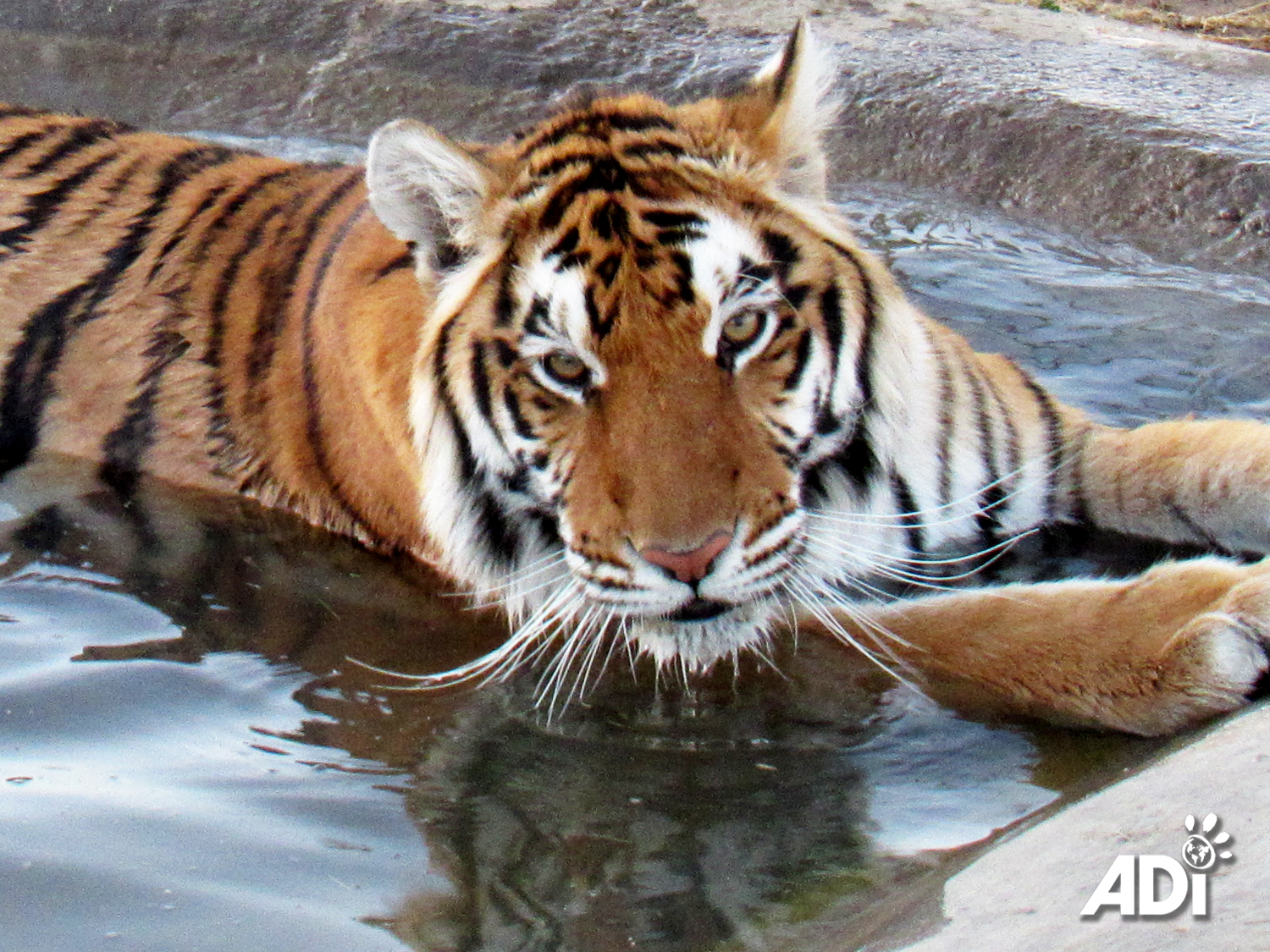
The fun-loving Spice Girls love their tiger pools at the ADI Wildlife Sanctuary, especially now, in South Africa’s spring. Jade, one of the friendliest and most playful of the tigers often turns up for dinner soaking wet. If the pool is too busy, they will often dunk in the water trough – Luna’s favorite trick!
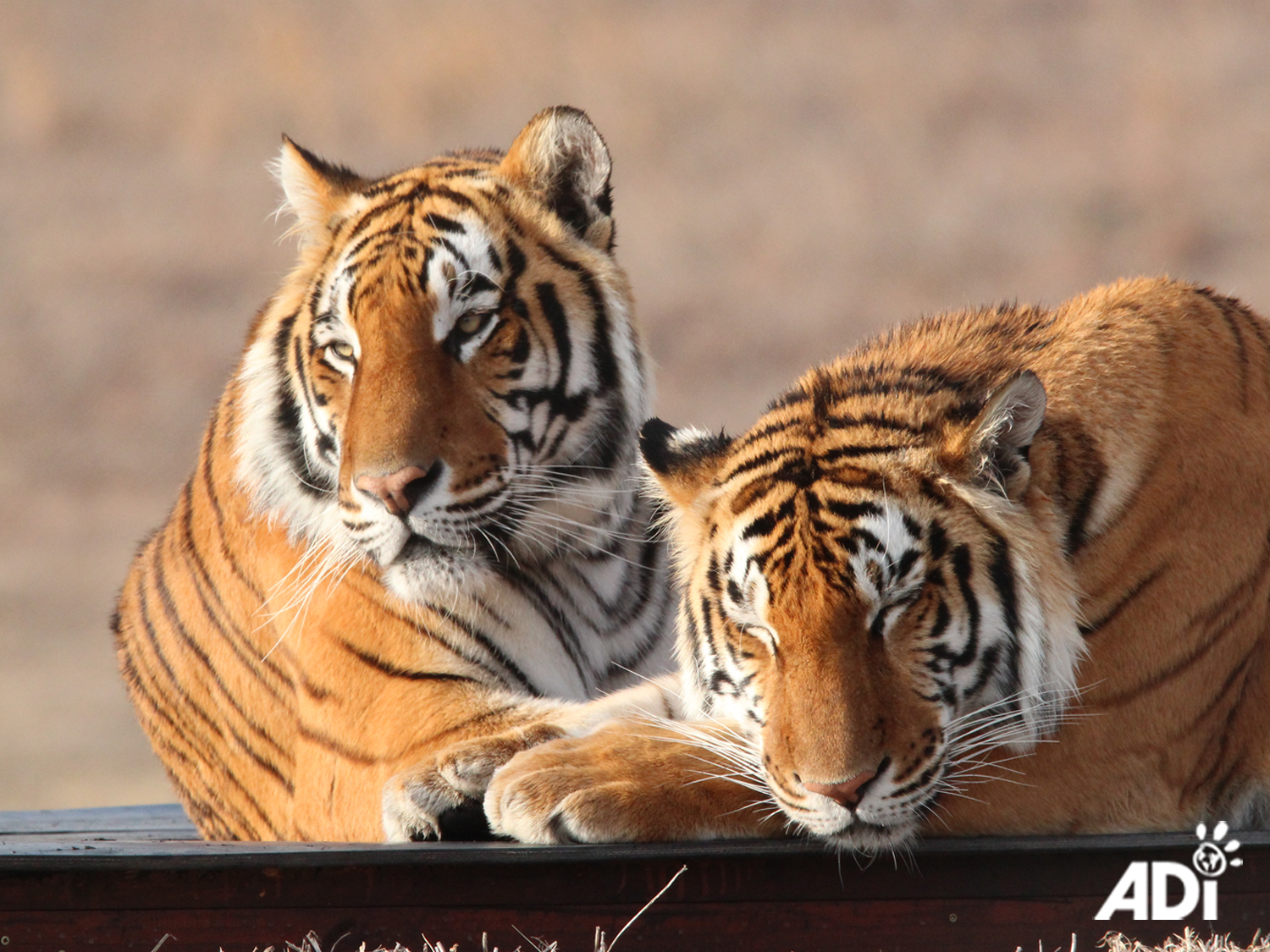
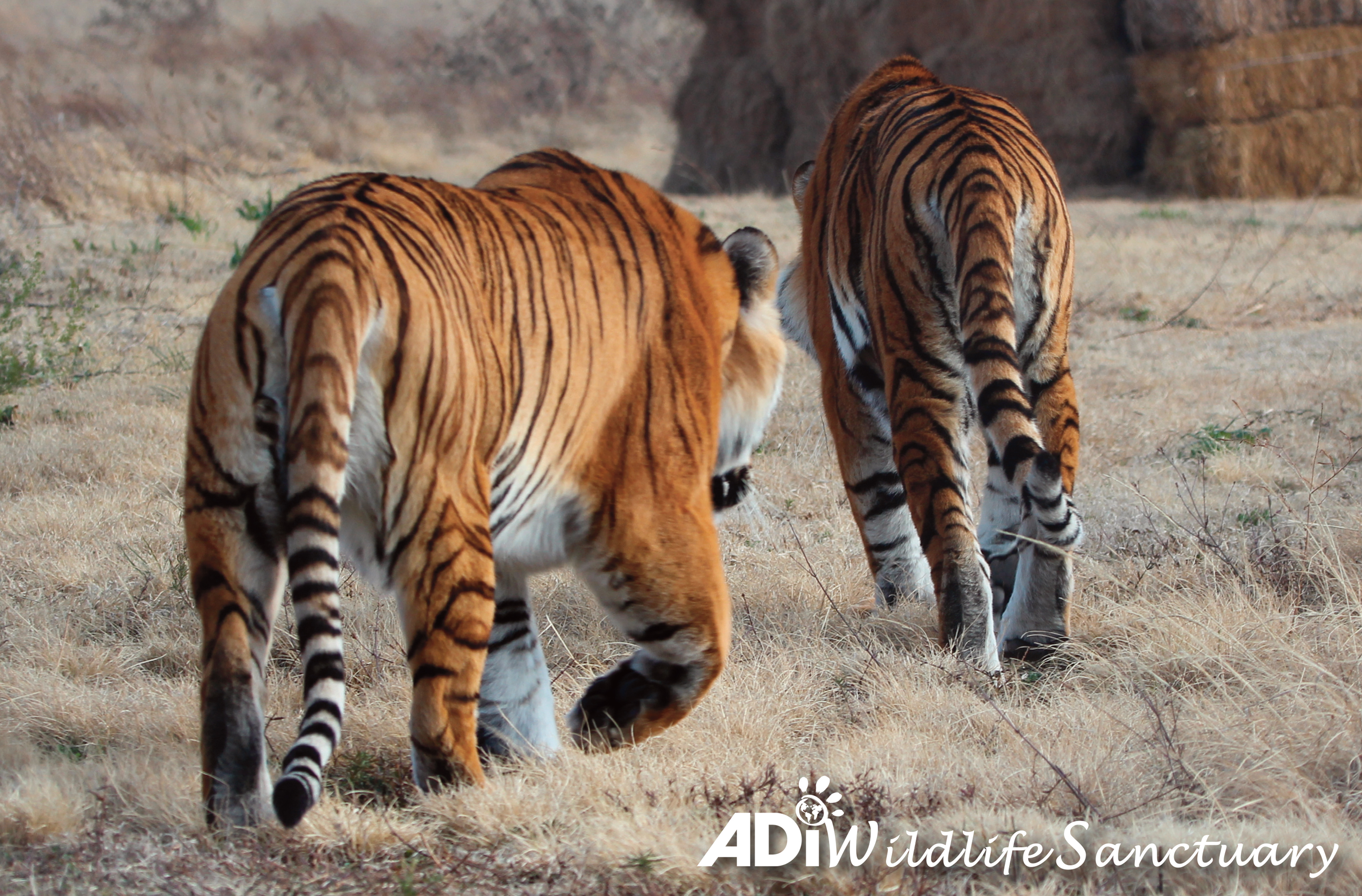
Max and Stripes are as close as any brothers can be. They are very rarely seen apart even though their Kakato by April Fong Habitat is our largest tiger territory at the ADI Wildlife Sanctuary.
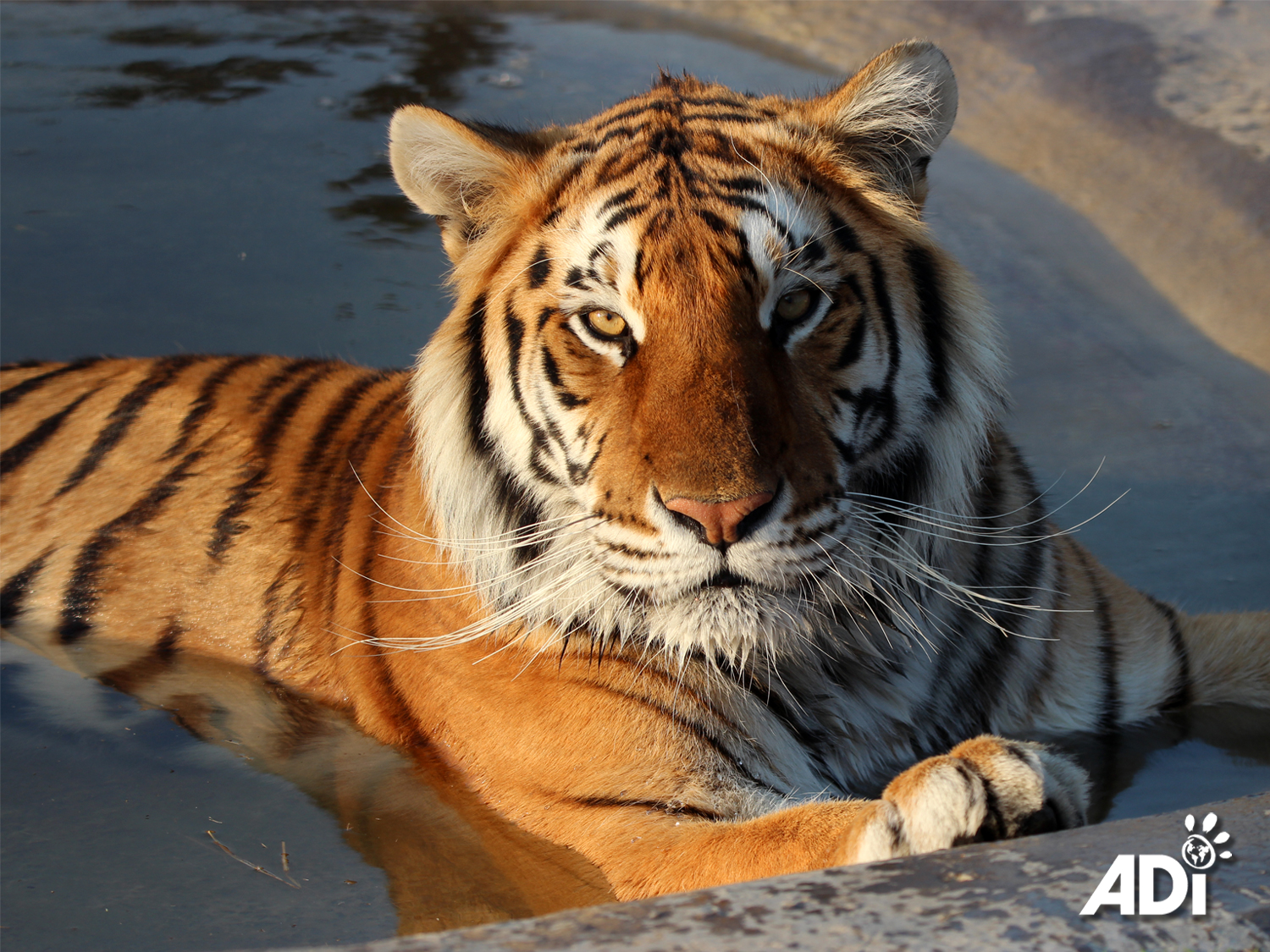
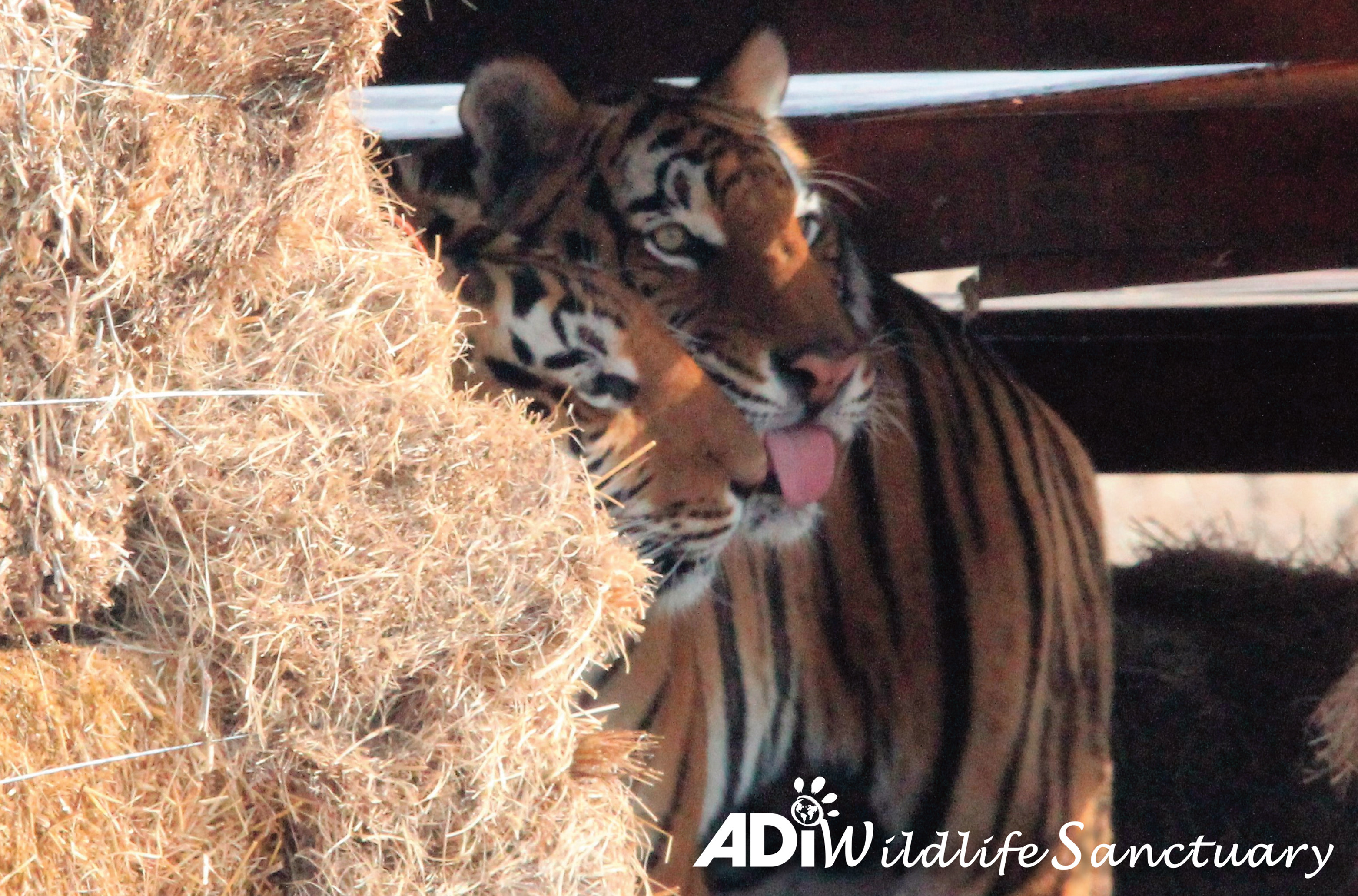
Handsome Max relaxes in a pool in Kakato by April Fong Habitat, shared with brother Stripes – our largest tiger territory with two pools and a lake. With the arrival of spring and warmer weather, Max, Stripes and our other rescued tigers will be dipping in their pools more often.
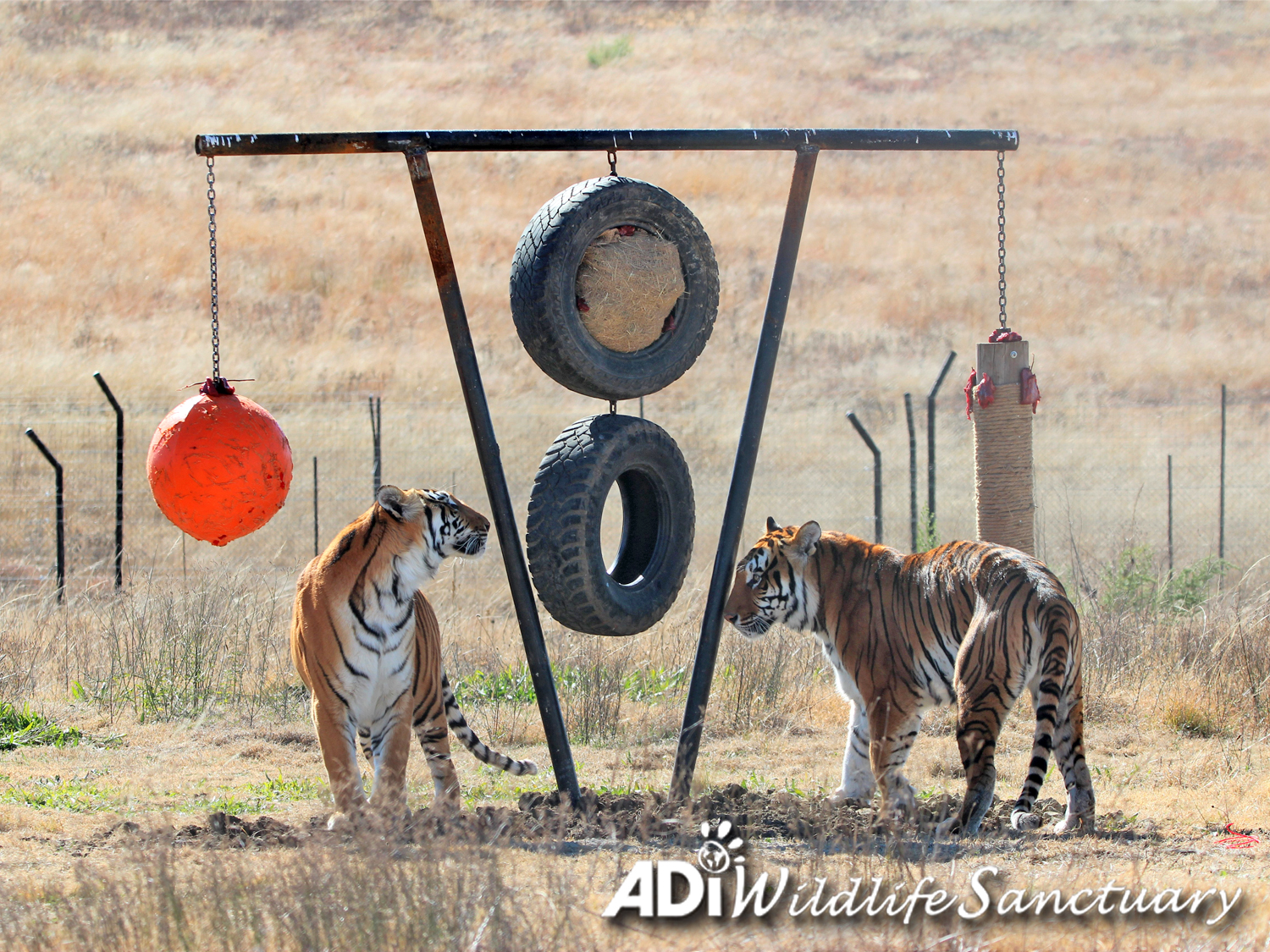
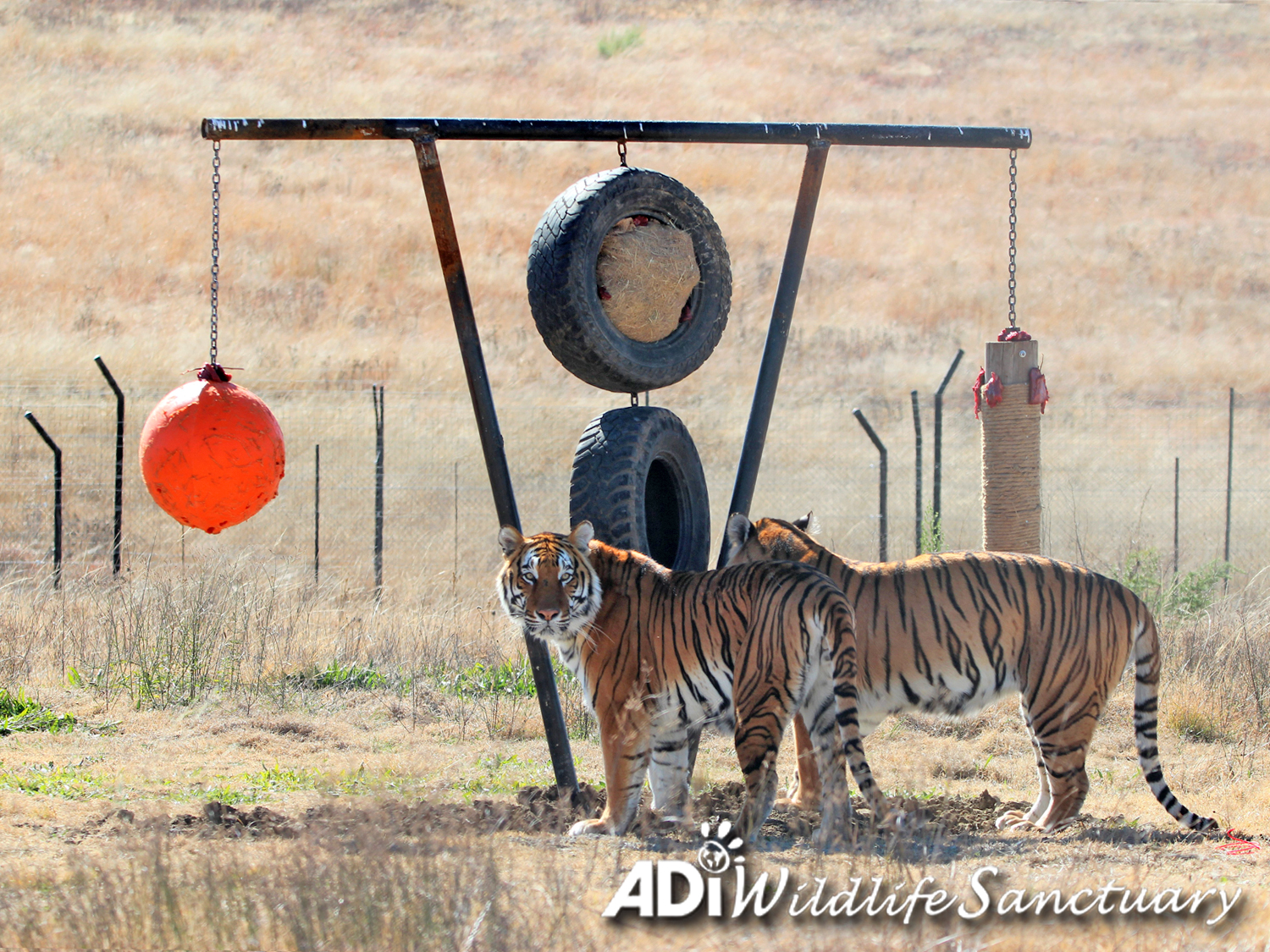
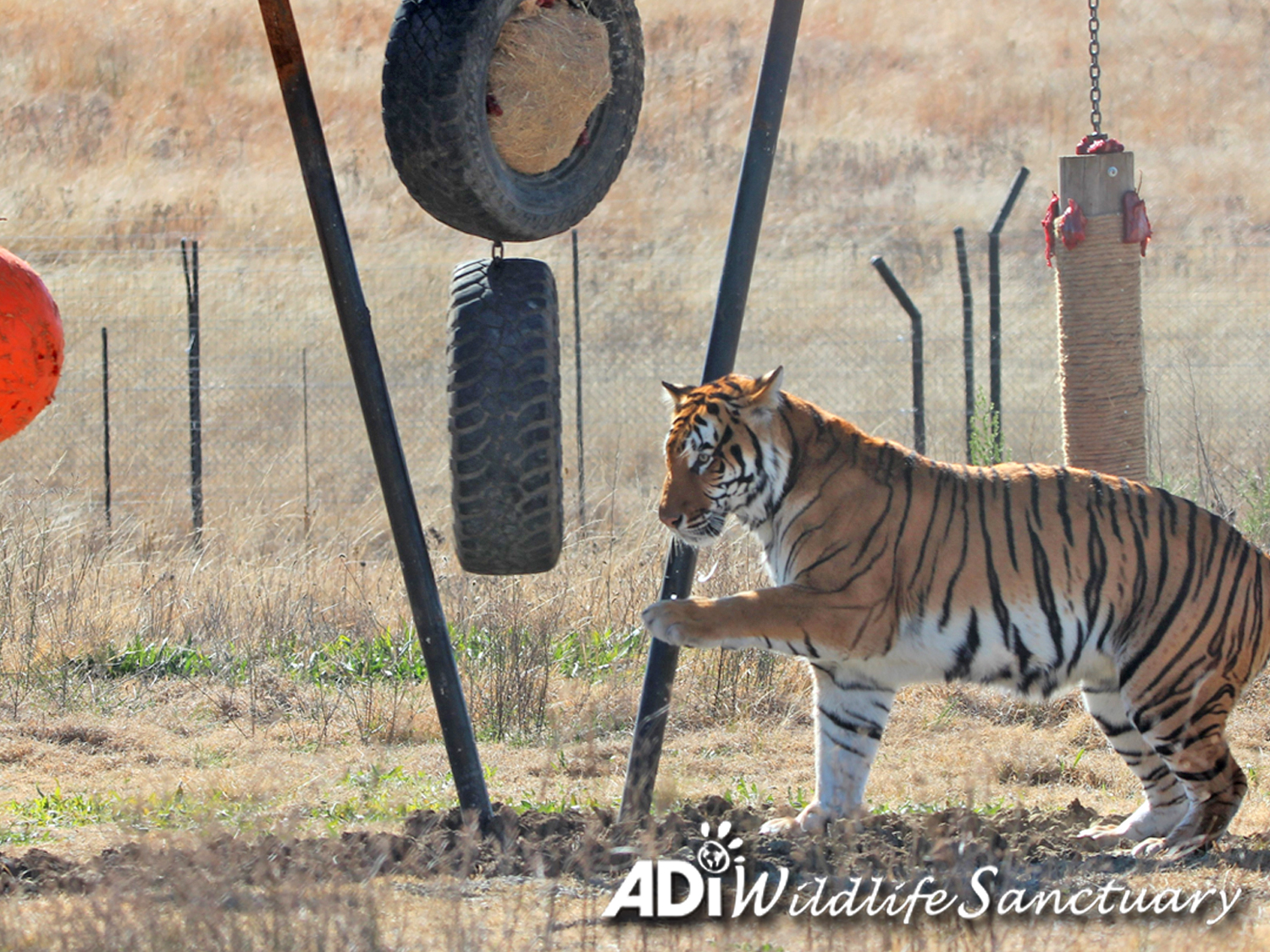
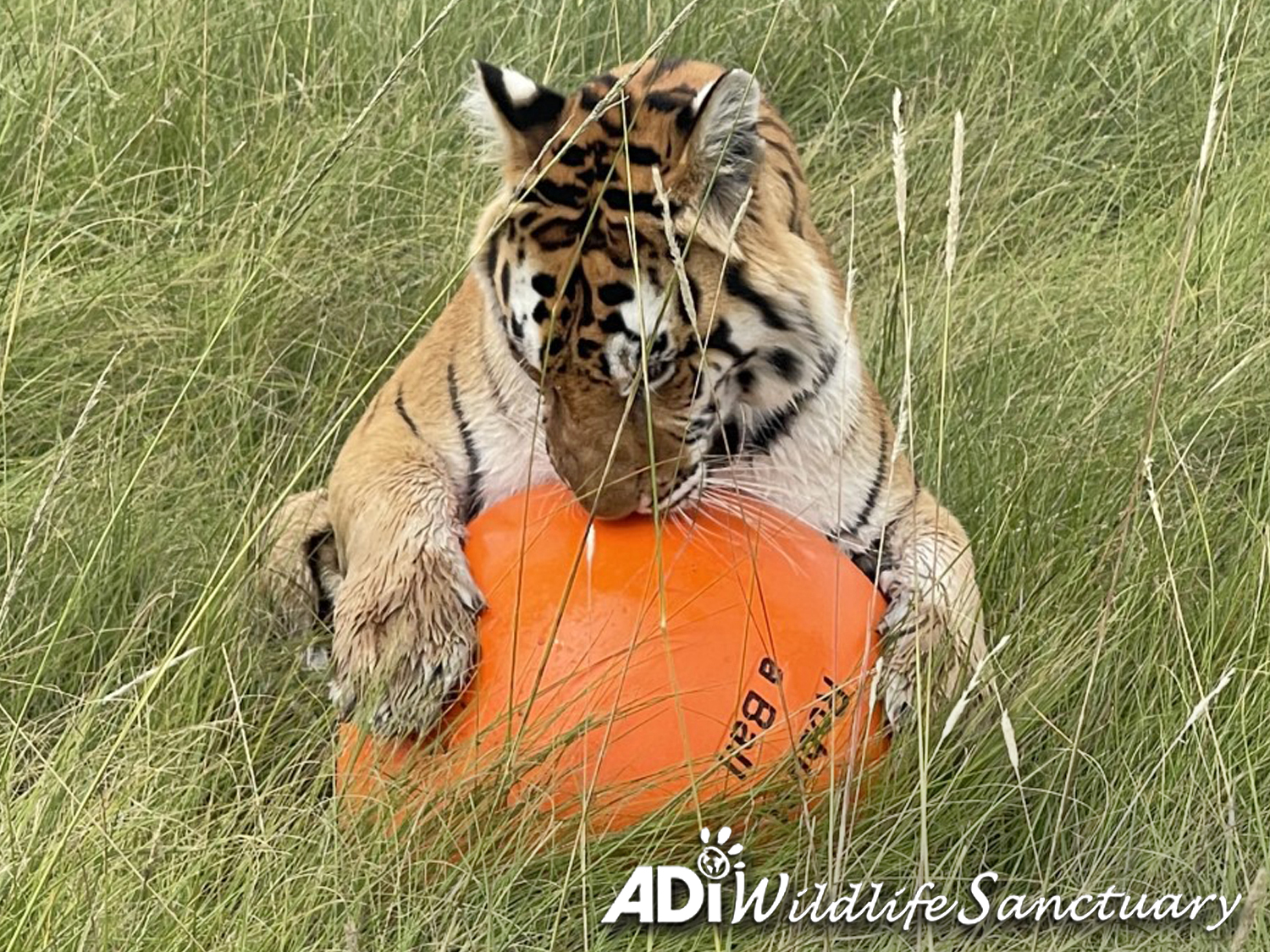
Max and Stripes check out their new ball and tire swing in their Kakato by April Fong Habitat at the ADI Wildlife Sanctuary – our thanks to Kunduchi Pet Products for donating the catnip.
Together with their family, these brothers were rescued from a circus in Guatemala when they were just six months old. This is why, having enjoyed a proper diet under our care, they have grown into huge, powerful boys.
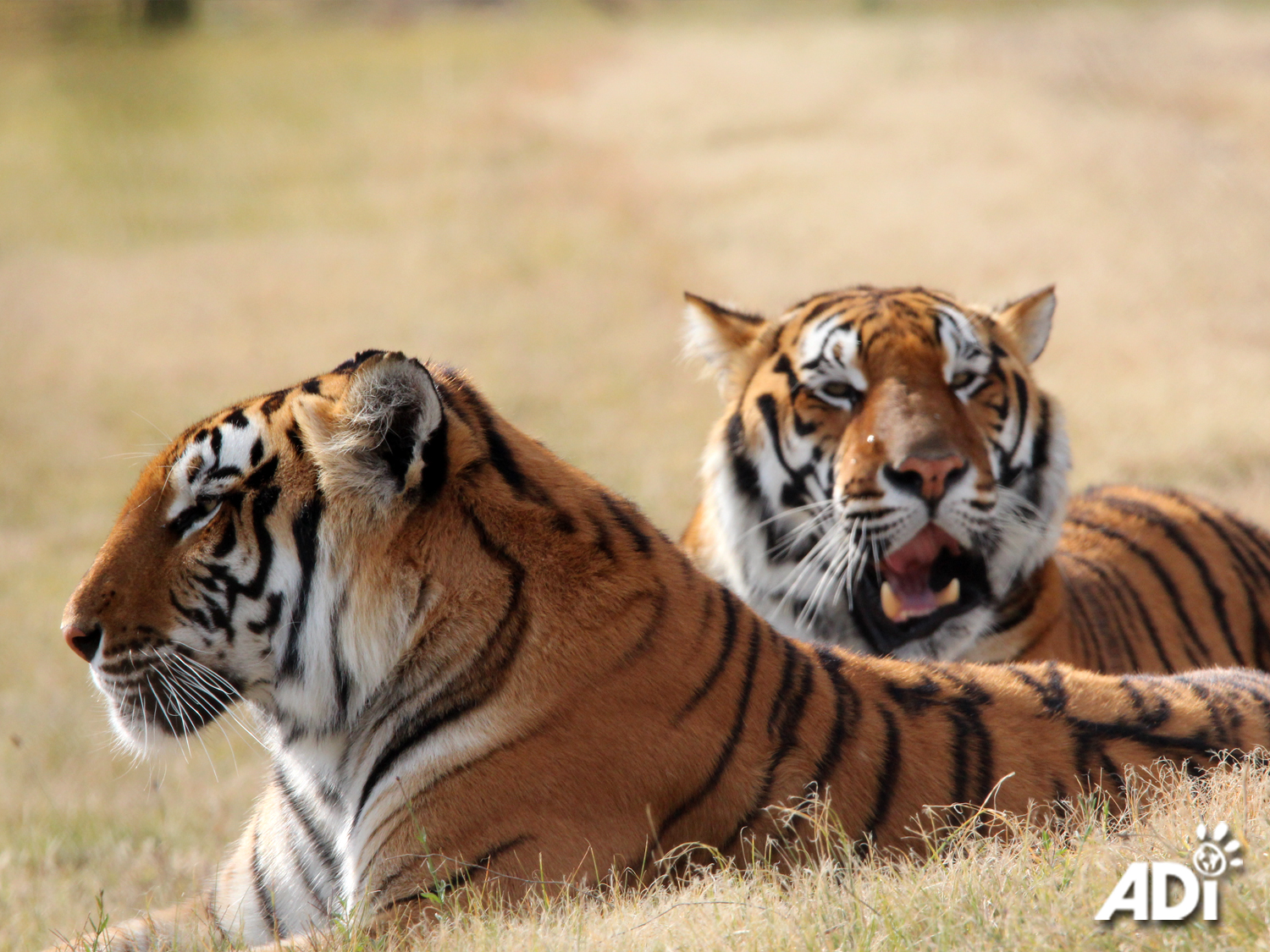
An additional tragedy of captive animal abuse is that the impacts of their past can impact their lives long after they are rescued – many of you are following Ruben’s valiant battle to overcome the damage done to him. Our beloved Lupe, rescued from a circus in Guatemala is haunted by her past. The mother of tigers Max and Stripes – initially it was believed Sombra was the mother but it has been confirmed otherwise – she suffers seizures due to malnutrition and in-breeding in the circus. The seizures have already claimed her sisters Bimbi and Sombra who she lived with. She is medicated each day, Dr Caldwell continues to monitor and assess her treatment, and she is monitored in her main habitat with the ADIWS team on the alert for any problems. She lives alongside her boys Max and Stripes and they greet each other through the fence. The huge challenges she faces and the loss of her sisters has not broken the spirit of this warrior tigress and it is a joy to see her exploring and playing.
Wonderful news, Max returned to the ADI Wildlife Sanctuary from hospital late yesterday afternoon and this morning was reunited with his brother Stripes.
Max was kept in the feeding camp and night house overnight to give him a chance to reorientate and monitor reactions between the brothers. Stripes watched the unloading and greeted Max through the gate with much chuffing and settled down right outside. This morning Stripes was brought into the feeding camp and the boys greeted each other with rubs and chuffs.
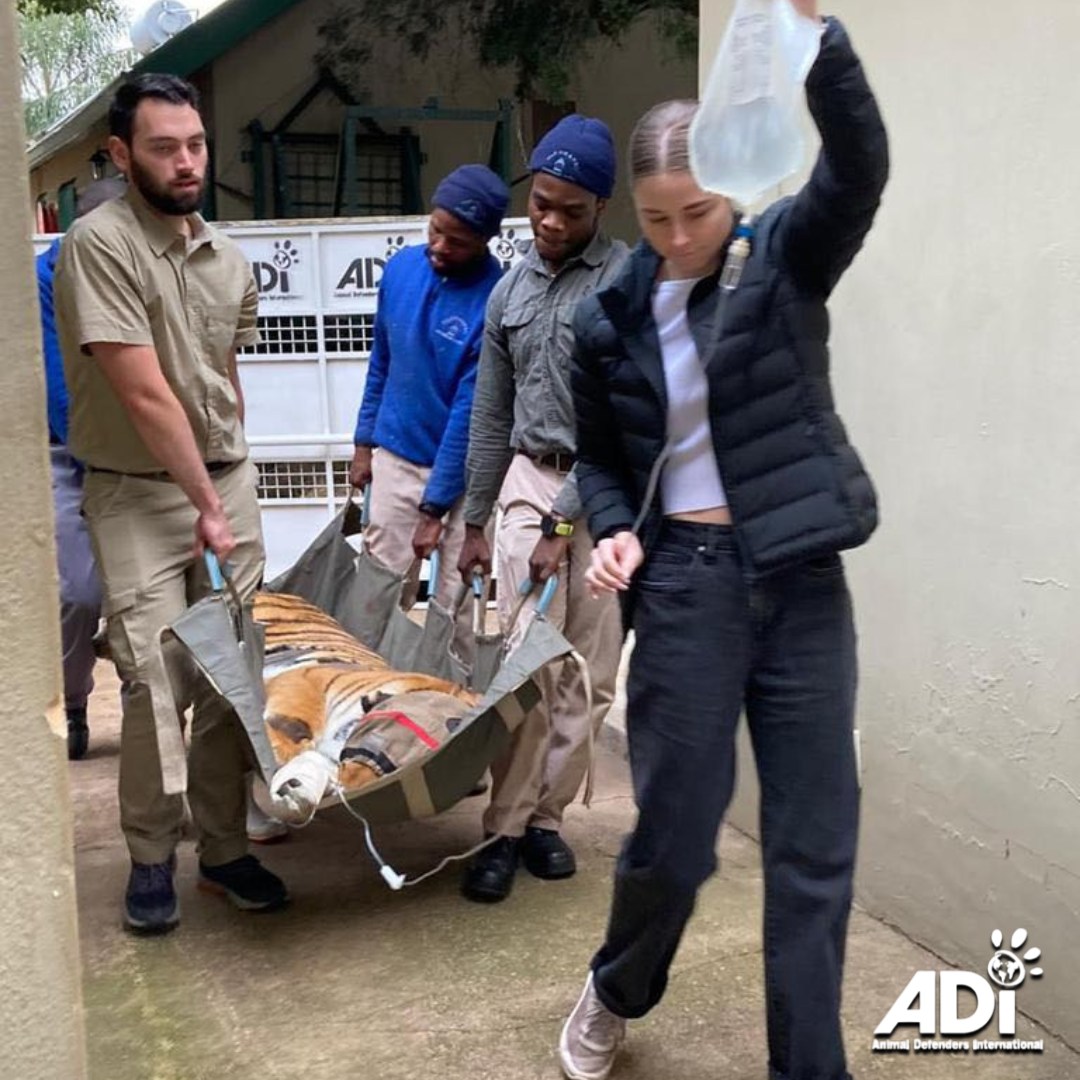
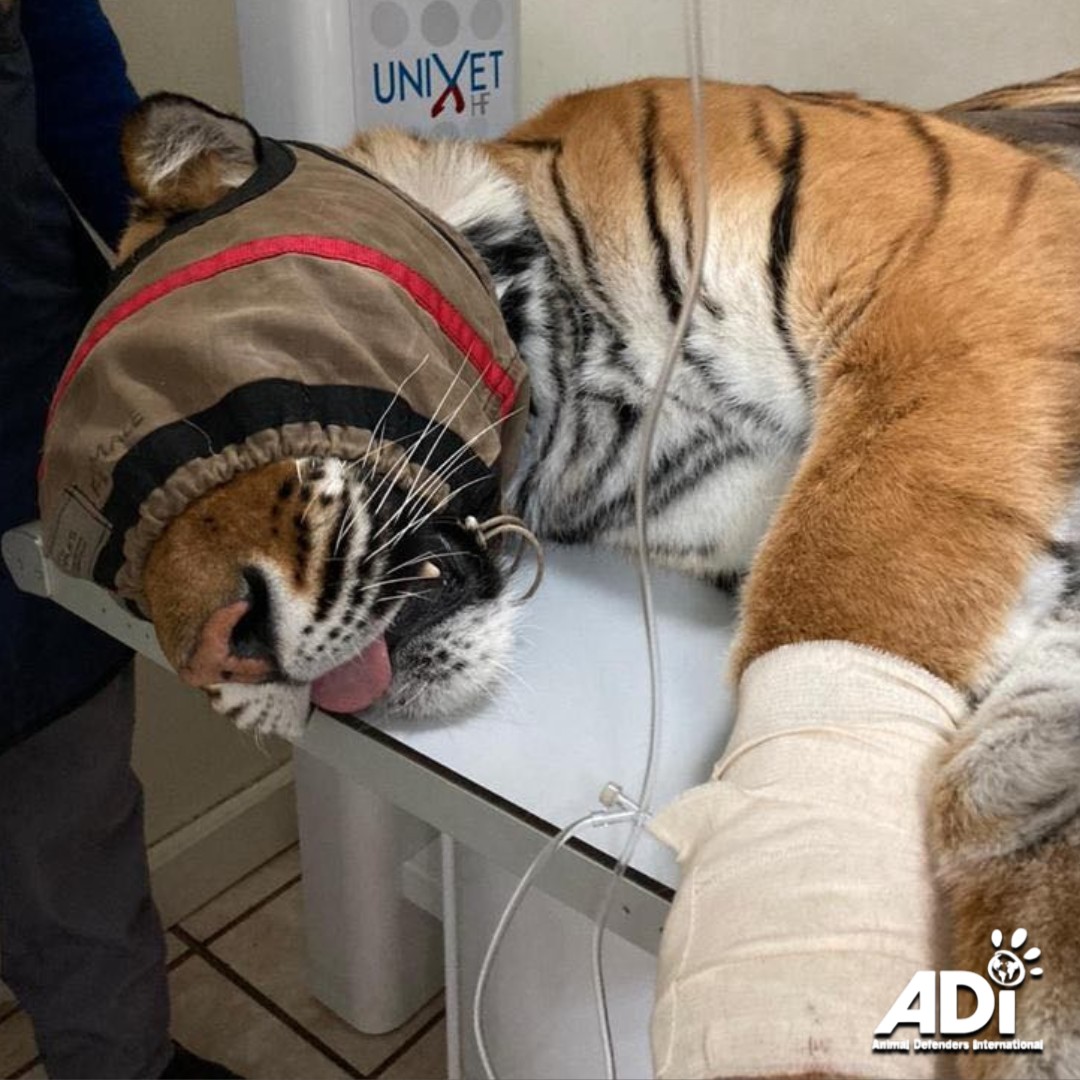
Max is recovering in hospital after being sedated for X-rays and an ultrasound. The good news is that his heart is fine and it does not appear to be cancer. He has some signs of tonsillitis and it is believed he has had feline allergic bronchitis or feline asthma. The X-rays are yet to be reviewed and Dr Caldwell will be keeping him in hospital for a week for observation. Max was weighed and came in at a handsome 159kg/350lbs.
Despite an initial improvement after medication, Max continues to have a chest infection, first identified when he began to wheeze during feeding. He is now at Old Chapel Veterinary Hospital where he will undergo tests to try to establish the cause. We are all hoping it will be an infection that can be dealt with and not anything more serious.
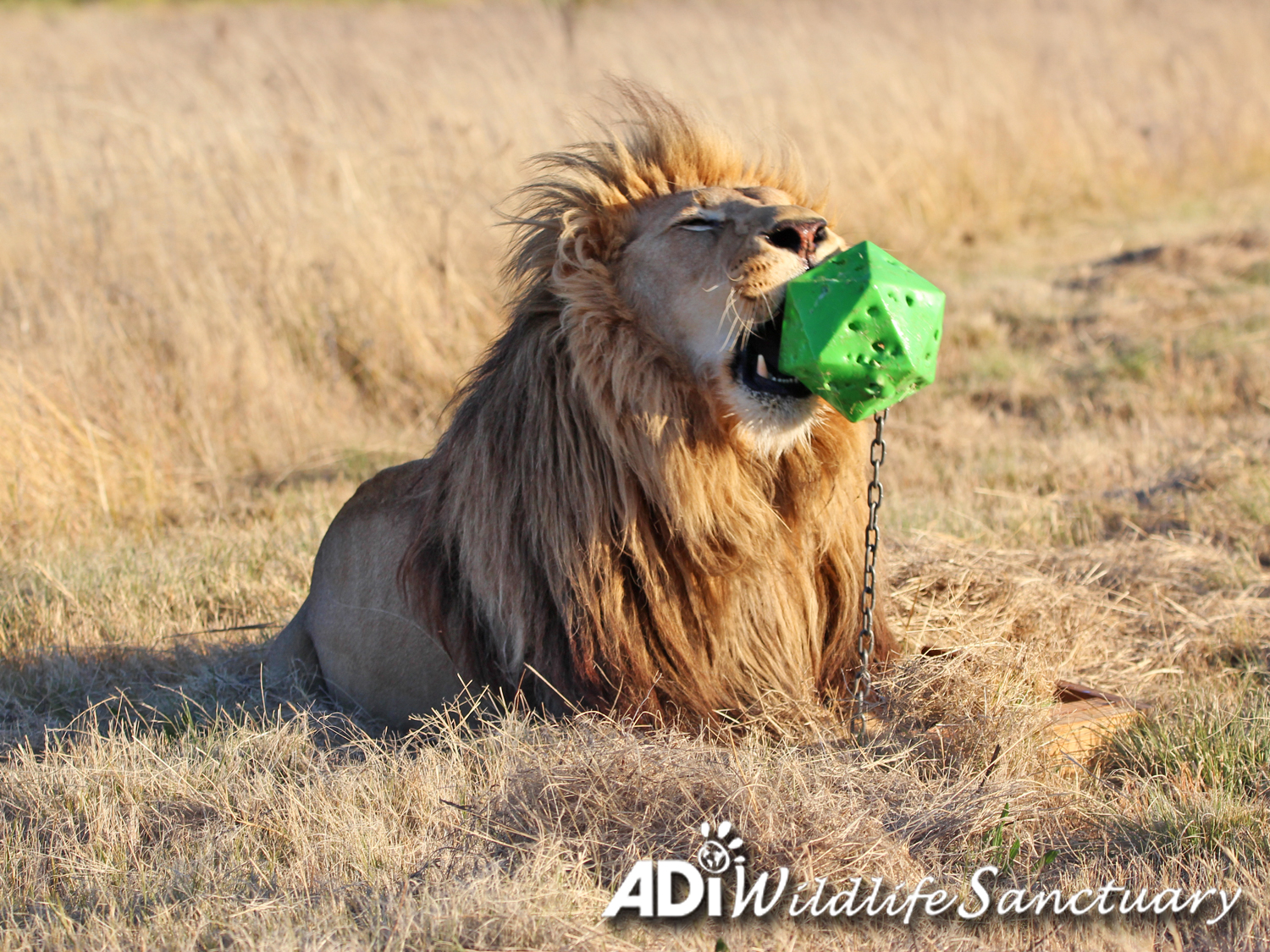
In many ways, big cats are much like oversized kittens. They certainly have a playful side and, as we’ve seen with our ADI Wildlife Sanctuary residents, they also enjoy toys, catnip and cardboard boxes, just like their very, VERY distant domestic cat cousins!
Lupe is a warrior princess. Like other members of her Guatemala tiger family we rescued who suffered multiple health issues due to circus life, Lupe also has seizures, for which she receives medication to keep them at bay.
Although Lupe and our other circus survivors are safe at the ADI Wildlife Sanctuary, the damage they endured in their previous lives can haunt them. In addition to inbreeding, poor nutrition in the circus results in nerve and spine malformations, which trigger seizures and damage the brain. That is why when we rescue an animal, we are committed to providing the very best, lifelong care. It costs $1,300 per month to care for a tiger or lion, so any help you can give truly makes a difference. Donate US $ | Donate UK £










 ADI Wildlife Sanctuary