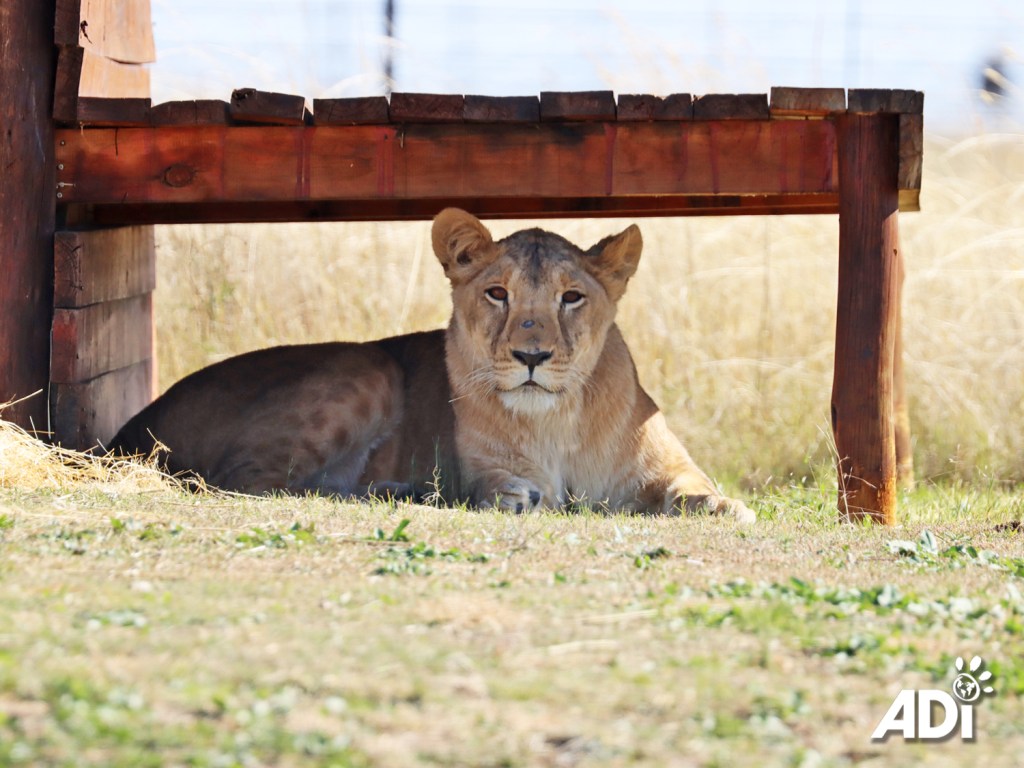
Looking at home – the Kuwait 6

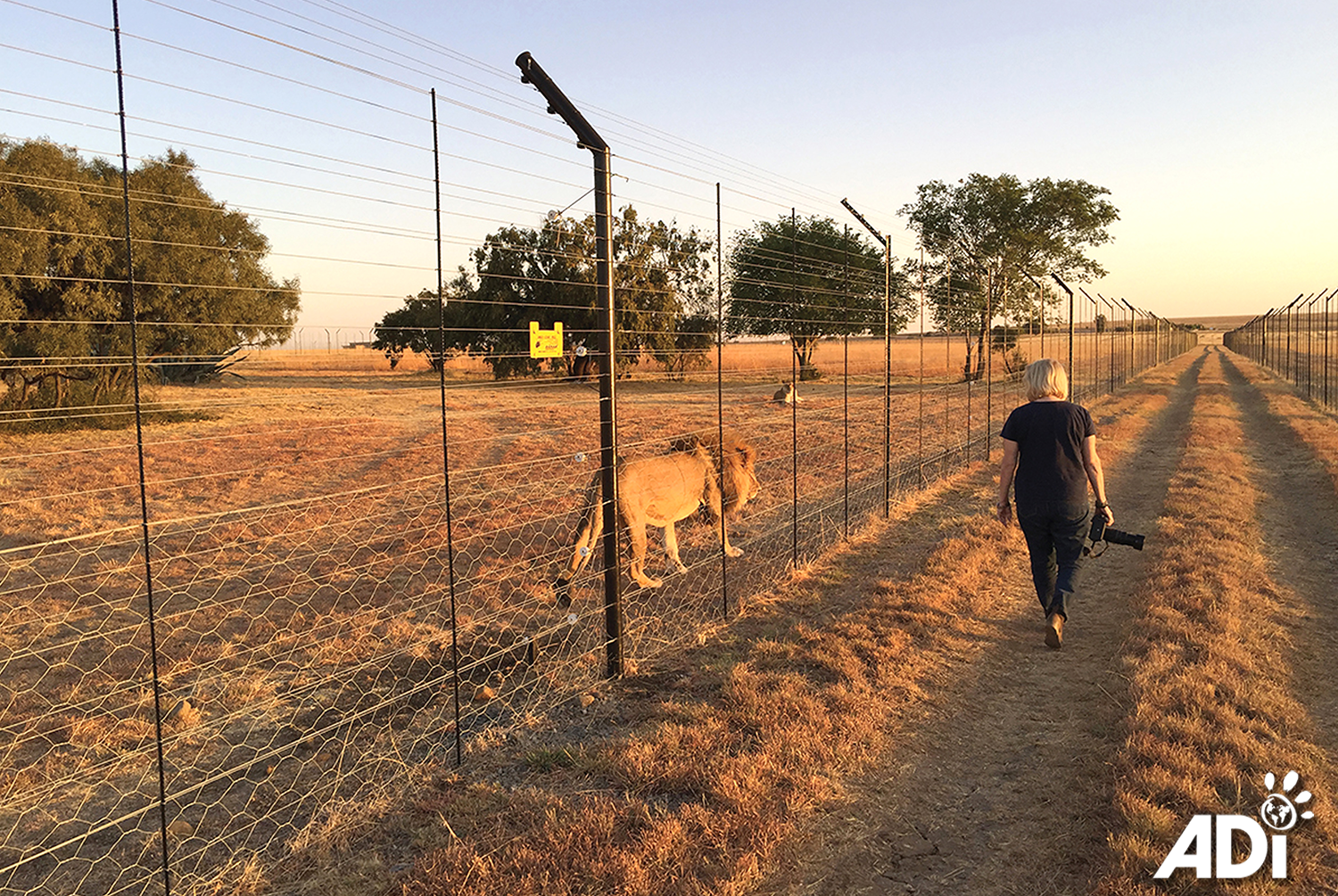
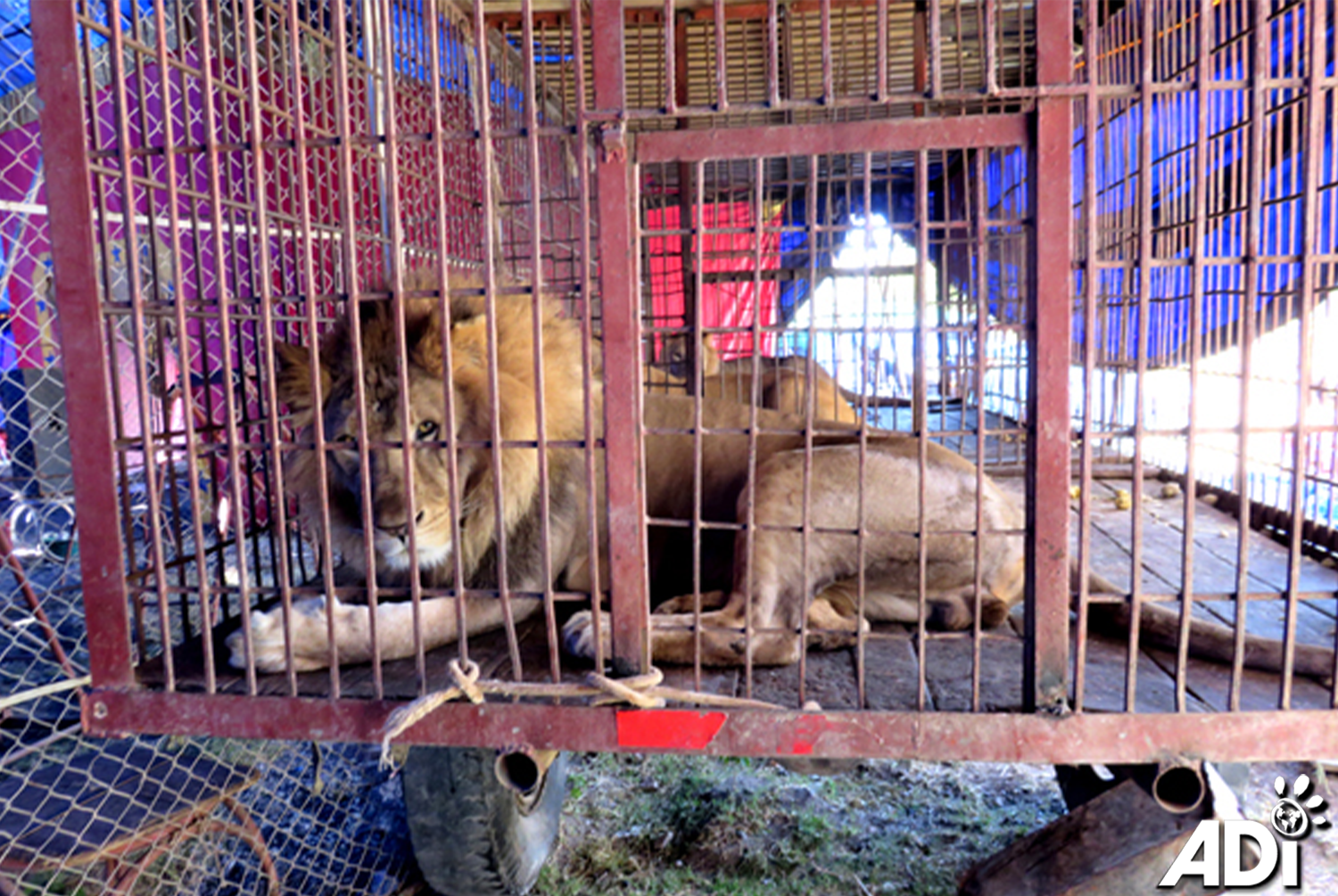
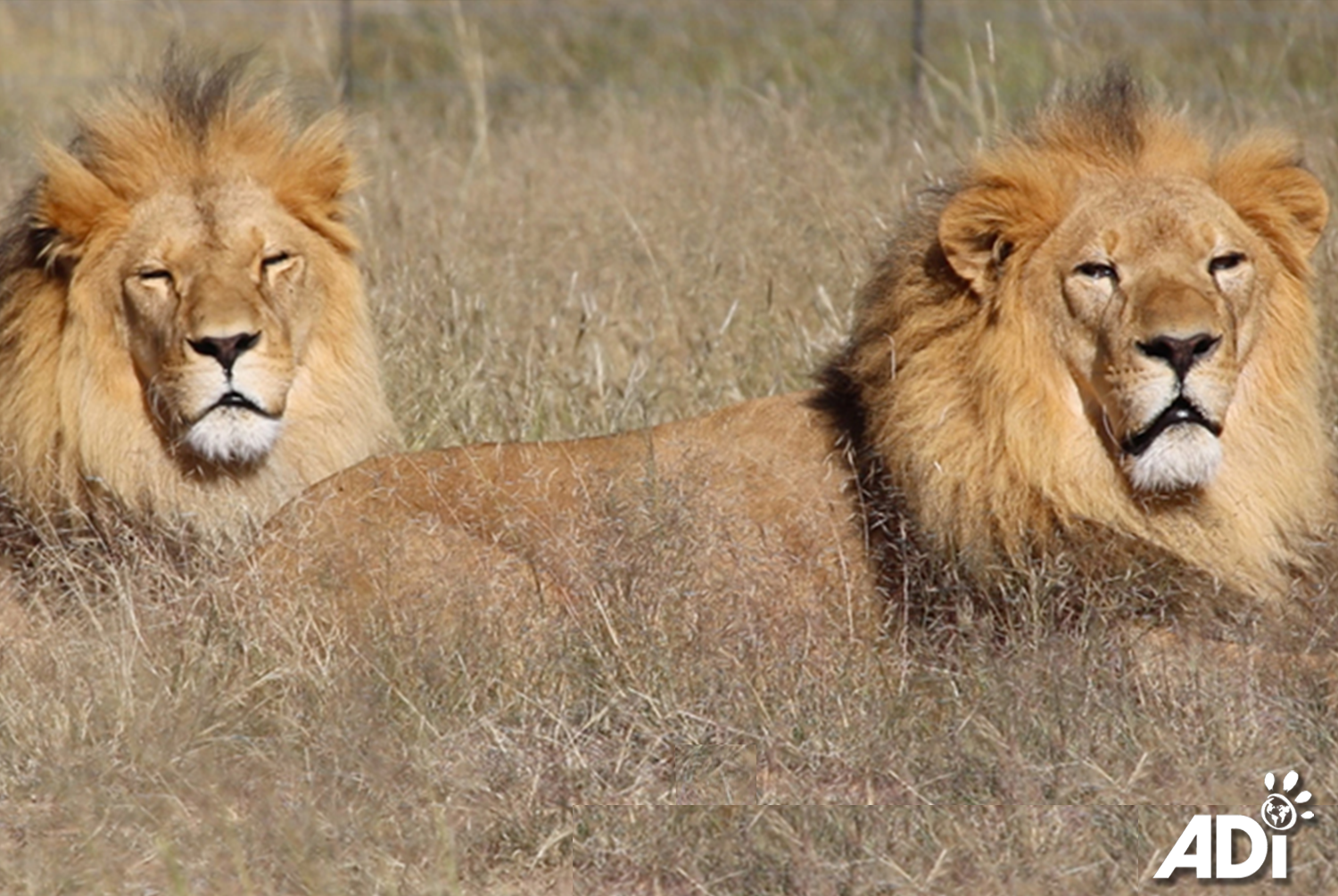
The Kuwait 6 looking at home in the ADI Wildlife Sanctuary – sold illegally as pets, then dumped by their owners in the desert and city streets of Kuwait, when no longer wanted.

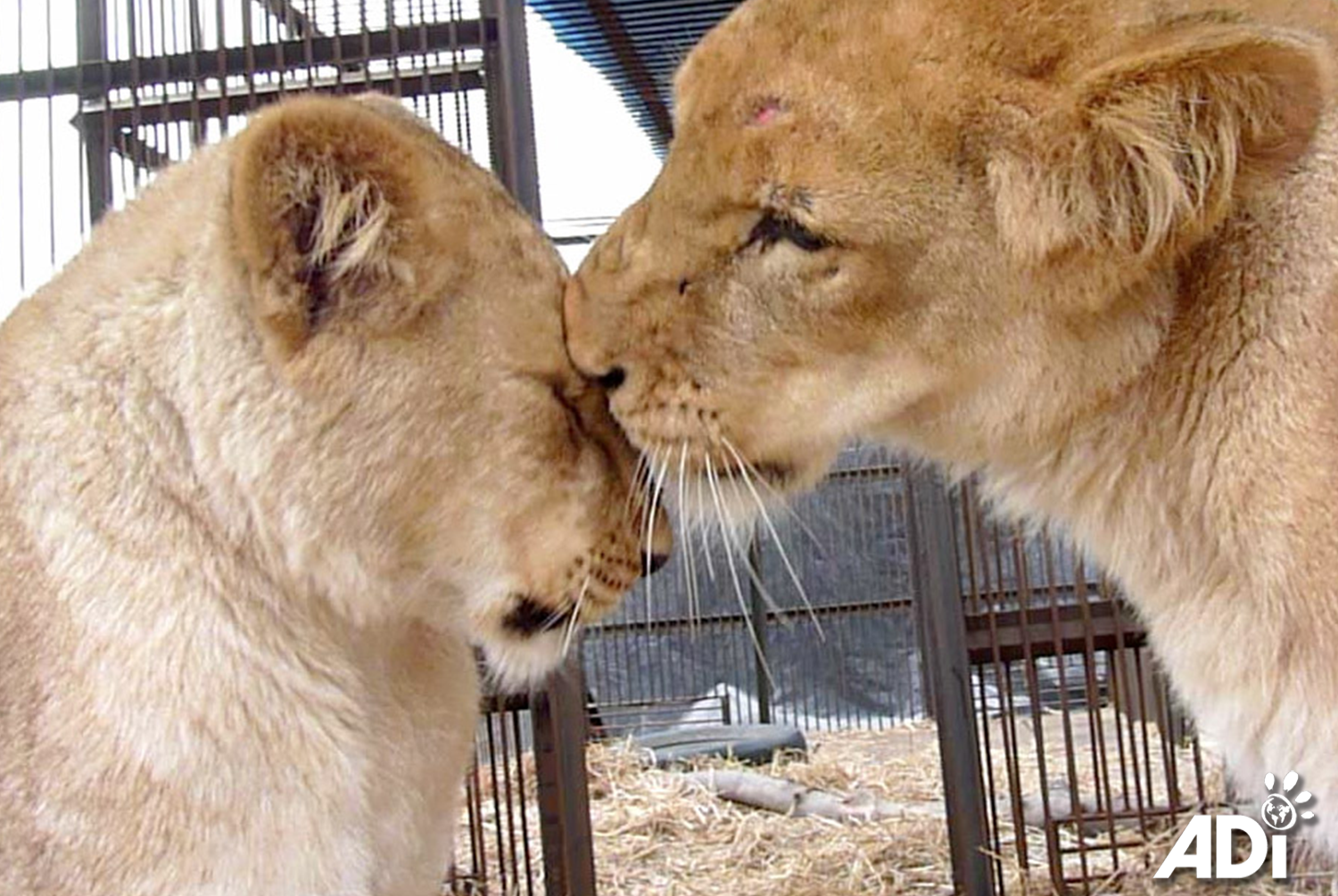
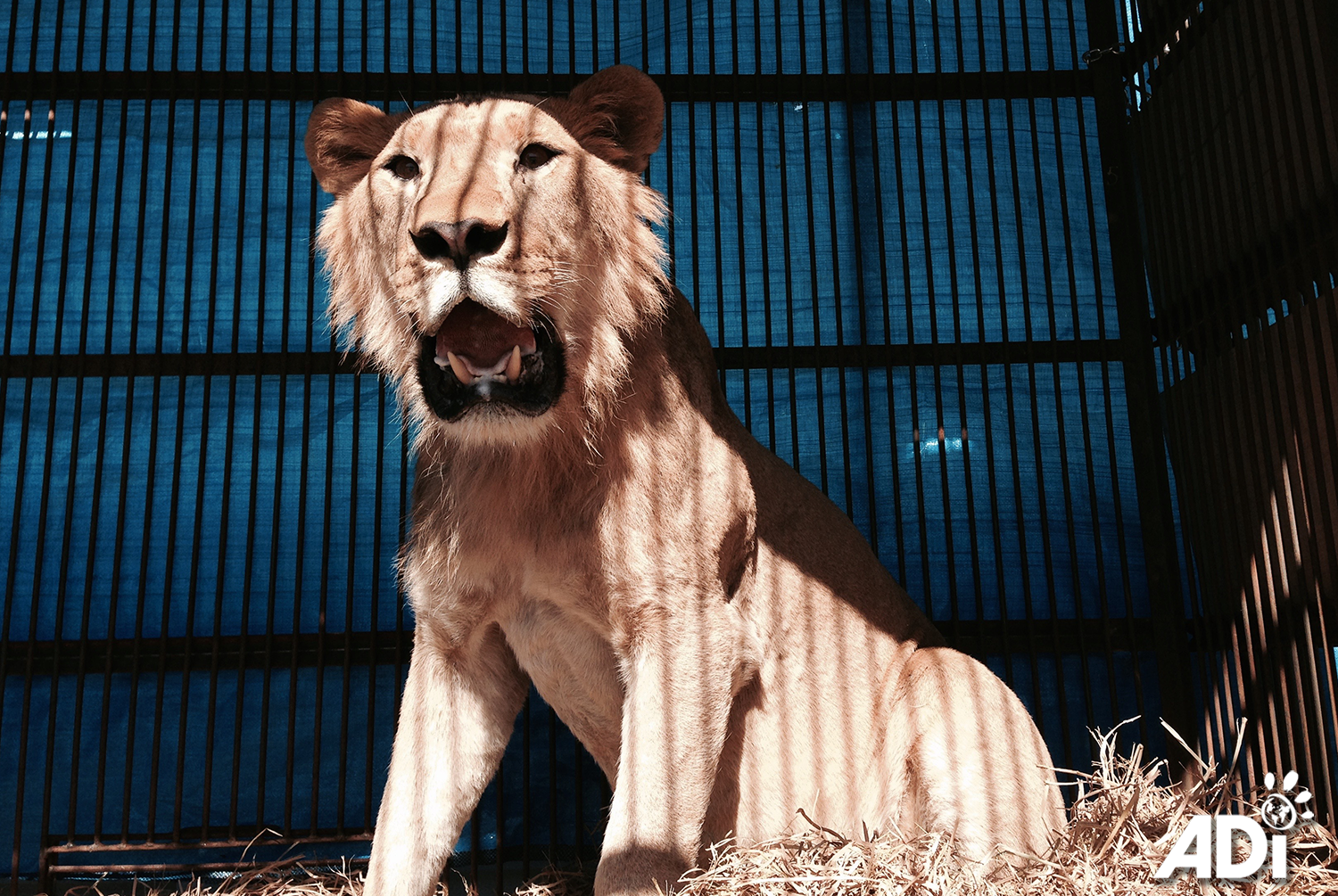
The Kuwait 6 – Muheeb, Saham, Shujaa, Saif, Dhubiya and Aziza – once victims of the illegal wildlife trade, now enjoy life under the South African sun.

Saif and Dhubiya were found starving, weak and frightened in the desert. With the help of our supporters and Kuwait Zoo, we were able to rescue them and give them a new life. Shujaa was abandoned in the city streets.
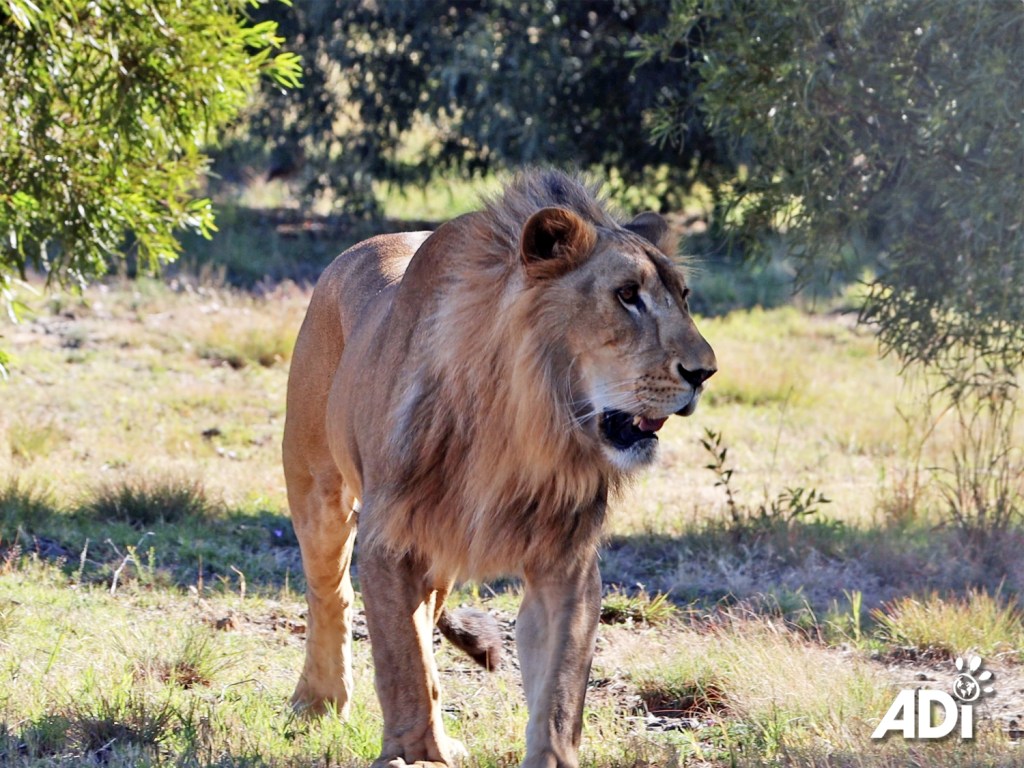
Now these big cats can just be cats! They have acres of land to run and roam, enrichment toys to activate their prey and play instincts, and plenty of spots amongst the grass and trees for them to hide and sleep.

Want to help? Consider adopting one of the Kuwait 6 through our website! Your donations will help cover food, medical care and enrichment expenses.

Adopt from our UK store: | US store

Growing native wildlife since rewilding began

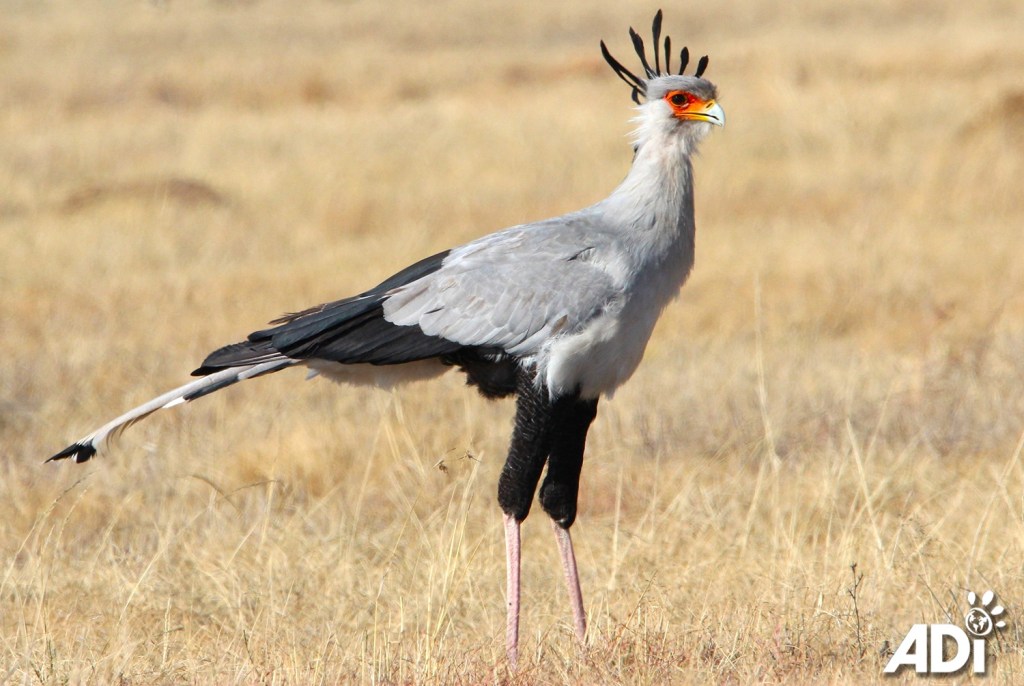
Native wildlife has exploded at the 455-acre ADI Wildlife Sanctuary in South Africa since we began re-wilding – including spectacular secretary birds.

We have planted over 200 trees, allowed the flowers to flourish, and added over 50 natural spring fed water sources.

Little wonder there is an abundance of birdlife these days.

One of the biggest thrills we get is seeing a secretary bird walking through the long grass, particularly since these birds are listed as Endangered on the IUCN Red List. This large bird of prey with an eagle-like head but stork-like legs, are normally monogamous, and so we usually see them in pairs.

Anniversary of Kiara and cubs reunited

Ten years ago today was one of the most emotional in our history, when ADI reunited Kiara with her cubs Scarc and Mahla. The family had been torn apart by a circus in Cusco, Peru but ADI rescued them in two separate raids enforcing the country’s animal circus ban. They are still together, enjoying life in the ADI Wildlife Sanctuary, South Africa.

TEN YEARS ON AND THE CUSCO FAMILY NEED YOUR HELP AGAIN.

Continue reading

Circus survivors Simba and Rey’s incredible life

Check out this great video from The Dodo about two of the ADI Wildlife Sanctuary seniors Simba and Rey’s incredible life. Their rescue from a circus in Peru, a drive through the Andes Mountains, and flight to South Africa. Then after being apart for the first time in their lives, Simba and Rey’s reunion after Rey returned from a spell in hospital. Enjoy and thanks to the Dodo.

Continue reading

10th Anniversary: Day 9 of emptying Peru’s animal circuses

THE BATTLE TO EMPTY PERU’S ANIMAL CIRCUSES TURNS IN OUR FAVOR. Ten years ago today, ADI was nine days into the historic Operation Spirit of Freedom to enforce animal circus bans in Peru and Colombia. We had raided three circuses but were meeting fierce opposition and being blocked from removing all the animals. The whole momentum of the rescue would change on this day thanks to a lion called SMITH! That’s him in the first pic at the ADI Wildlife Sanctuary, South Africa and here’s how he changed everything and led to over 100 animals being saved.

Continue reading

Turn the tide against trophy pets

Today is World Lion Day. LET’S TURN THE TIDE AGAINST TROPHY PETS. Aziza is a beautiful young lioness, with dainty, elegant features. Perhaps it’s not surprising that someone thought it would be cool to have her as a status symbol pet. But then they tired of her and she was discarded like a fashion accessory they had tired of. She was dumped in the streets of Kuwait City. ADI stepped in to bring Aziza and five other lions, abandoned in the same way, home to the ADI Wildlife Sanctuary.

Continue reading

Kuwait 6 lionesses doing well after surgery

You’ll be pleased to know that Dhubiya and Aziza have fully recovered after their sterilisation operations last week. As well as preventing breeding this will also reduce risk of pyometra, a sudden and potentially life-threatening infection of the uterus, and certain cancers. This means the girls can live in family groups which include males. And sometimes, with the numbers and breakdown of males and females we rescue, this can be the difference whether they live a lifetime alone or enjoy the touch, communication, and companionship of another lion.

Continue reading