
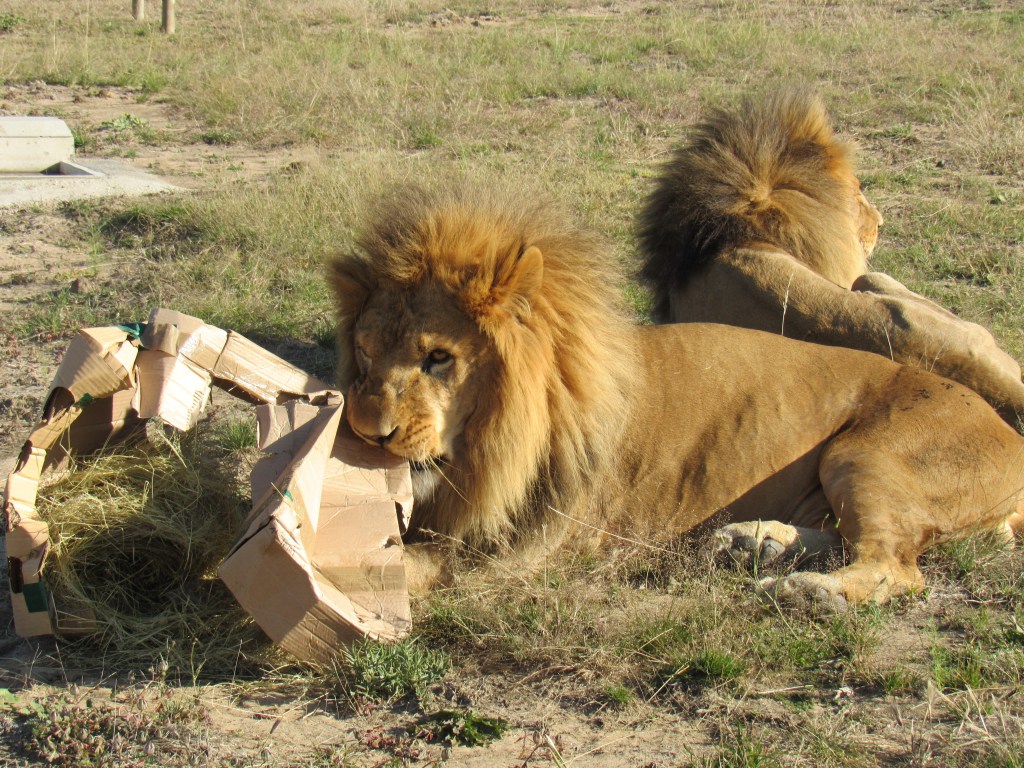
Animal Defenders International (ADI) works to end the suffering of animals in captivity and protect wild animals and their environments. For over 20 years, we have rescued hundreds of animals from circuses all over the world, and relocated them to sanctuaries.
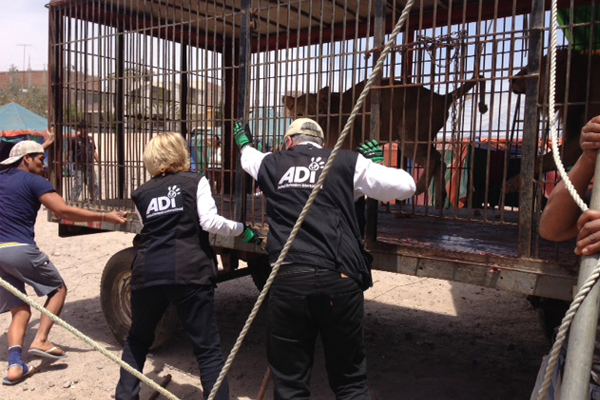
We receive calls every week from governments, animal protection groups and the public, asking for help with animals in desperate need. After decades of funding animal care in sanctuaries around the world, we decided to build our own sanctuary to enable us to do more and save more animals.
A safe haven for animals who have suffered lifelong pain, fear, and distress, the location of the new ADI Wildlife Sanctuary in South Africa is ideal for species such as lions, commonly found in circuses.
The ADI Wildlife Sanctuary is owned and operated by Animal Defenders International, South Africa, NPC (reg: 2018/289787/08) and provides:
- A peaceful, secure home for life for rescued animals, in a natural habitat, inside two layers of high-security perimeter fences and a third security barrier around their habitats
- Strategic support to governments wanting to seize illegal animals, but with nowhere to place them – we facilitate rescues that shut down entire cruel industries
- Effective enforcement of animal protection laws worldwide
- A place of loving kindness for animals, peace, dignity, love and respect
- Rescued animals have a life as close as possible to what nature intended
- Encouragement to individuals and communities to take action, by showing we can change the world for abused animals
- Education about the needs of other species, their place on our shared planet, how we can protect other species as well as the future for humans
Find out how you can support the sanctuary here
ADI Wildlife Sanctuary (ADIWS) Policy – A True Sanctuary
ADIWS was established by Animal Defenders International in 2018, and is a True Sanctuary, its purpose to provide lifetime care in a home of loving kindness, safe and protected, for rescued animals who have suffered cruelty, abuse, and deprivation, causing physical, psychological and emotional damage.
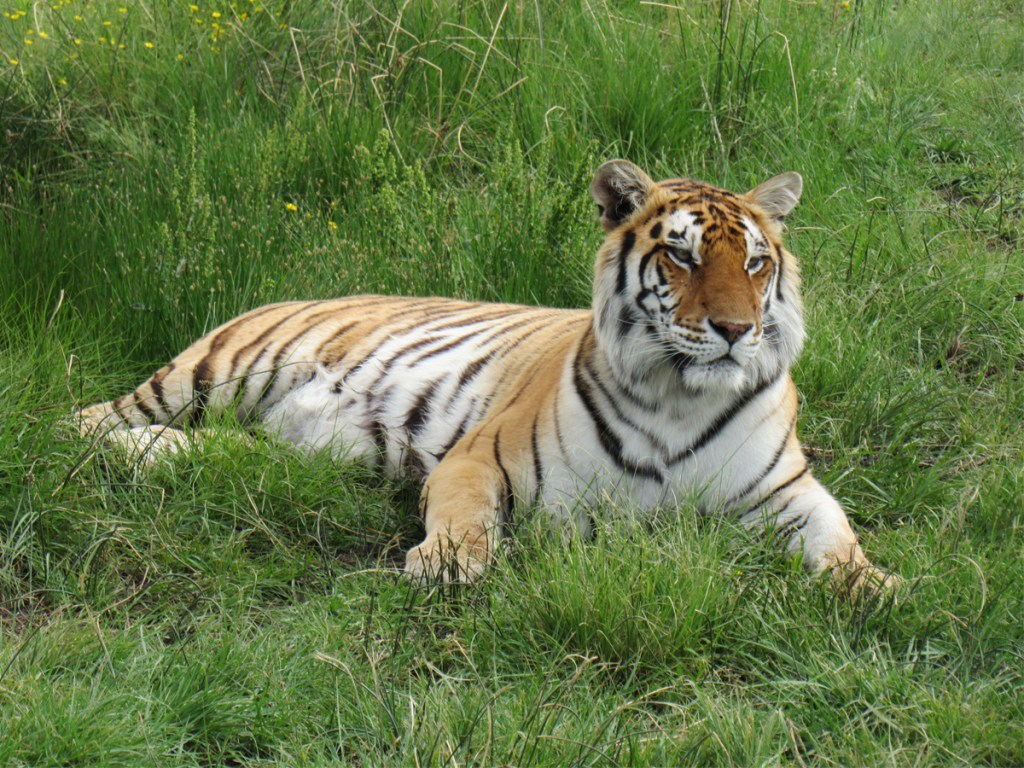
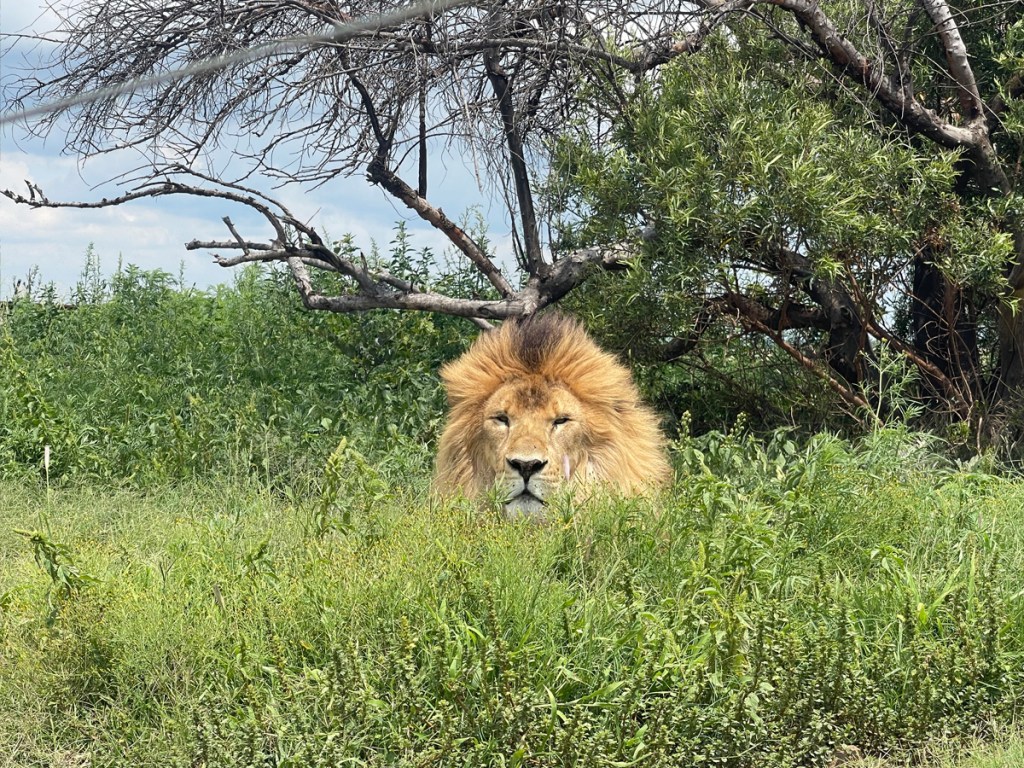
ADIWS Mission: We aim to provide rescued animals (who can never return to the wild) a life as close as possible to what nature intended. To give them space, a territory, all of their own. Companionship, communication, and sight of their own kind. This is a gradual process, sometimes animals have been isolated, some agoraphobic if born and spent their whole life in one cage. We aim to unlock them from the human world and let them be lions and tigers again.
ADIWS True Sanctuary Policy
- Rescued animals shall be provided with the space and environment necessary to express their natural behaviours and feel safe.
- No breeding
- No public contact or interaction with the animals (inc. harassment for “selfies”)
- No animal shall be mishandled, chased, frightened, or harmed in any way.
- No unescorted public visitation or contact in wild animal sanctuaries
- No removal of wild animals for exhibition, education, or research
- No invasive or intrusive research
- No commercial trade in animals or their body parts
ADIWS practices the Five Freedoms:
- Freedom from Hunger and Thirst: by ready access to fresh water and diet to maintain health and vigour.
- Freedom from Discomfort: by providing an appropriate environment including shelter and a comfortable resting area.
- Freedom from Pain, Injury or Disease: by prevention or rapid diagnosis and treatment.
- Freedom to Express Normal Behaviour: by providing sufficient space, proper facilities and company of the animal’s own kind.
- Freedom from Fear and Distress: by ensuring conditions and treatment which avoid mental suffering.
ADIWS aims to go beyond these basic needs; allowing animals to run, play and express themselves, providing acres of natural space and added enrichment with objects and food.
ADIWS behavioural and psychological policy:
ADIWS operates a daily programme promoting the psychological and emotional well-being of captive wild residents, which includes:
- Environment – natural enclosure with native wildlife, buildings, platforms (for climbing and monitoring views), dens, ground water sources, pools (as appropriate) and night houses to add complexity and interest to the environment.
- Enrichment – objects and scents to encourage interest, manipulation, chasing and other species-specific behaviours (e.g. scent-enriched balls, boxes, straw-stuffed objects and bones, and objects filled with meat).
- Food enrichment – a variety of game and other meats. Occasional vegetable foods as toys, such as pumpkins, squashes, etc.
- Social enrichment – family group-living as appropriate; interaction between solitary individuals and other groups by sight and vocalisations. The sanctuary is designed to facilitate communication between residents.
- Each ADIWS caregiver develops a special relationship with a resident by spending time with them, however, no physical interaction between caregivers and residents is permitted.
- Animals which have had no contact with their own kind are slowly introduced to other animals.
Relevant SOUTH AFRICA legislation:
National Environmental Management Biodiversity Act (10, 2004) (NEMBA)
National Environmental Management Act (107, 1998) (NEMA).
Staff Training – definition of ‘Wellbeing’:
ADIWS incorporates the principles of ‘wellbeing’ referenced in NEMBA and NEMA, for our staff training. Wellbeing is defined as: “the holistic circumstances and conditions of an animal, which are conducive to its physical, physiological, and mental health and quality of life, including the ability to cope with its environment.”
Staff Training – the ‘Five Domains Model’:
Five Domains Model is training to incorporate how to keep track of nutrition, environment, health, behaviour, and mental state, to assess and manage animal welfare. The first four of the interconnected (physical) domains directly influencing the fifth, mental state, which ultimately determines the animal’s overall welfare.
- Nutrition:
This domain focuses on the animal’s access to and consumption of adequate food and water. It considers factors like food availability, palatability, and nutritional value, as well as the animal’s ability to access and consume it. - Environment:
This domain examines the physical and atmospheric conditions that the animal experiences. It includes factors like temperature, humidity, shelter, and the presence of hazards, considering both unavoidable and enhanced conditions. - Health:
This domain assesses the animal’s physical and physiological well-being. It includes factors like injuries, diseases, and the animal’s physical fitness, considering both negative and positive health conditions. - Behaviour:
This domain looks at the animal’s behavioral interactions and opportunities to engage in natural behaviours. It includes factors like social interactions, activity levels, and the ability to express normal behaviours. - Mental State:
This domain is the culmination of the animal’s experiences across the other four domains. It reflects the animal’s overall emotional state, encompassing feelings like pleasure, comfort, frustration, and fear.
The Five Domains framework provides understanding how an animal’s physical and behavioural experiences influence its mental state and, consequently, its overall welfare. By assessing and managing each of these domains, individuals and organizations can work to improve the welfare of animals in their care.
 ADI Wildlife Sanctuary